
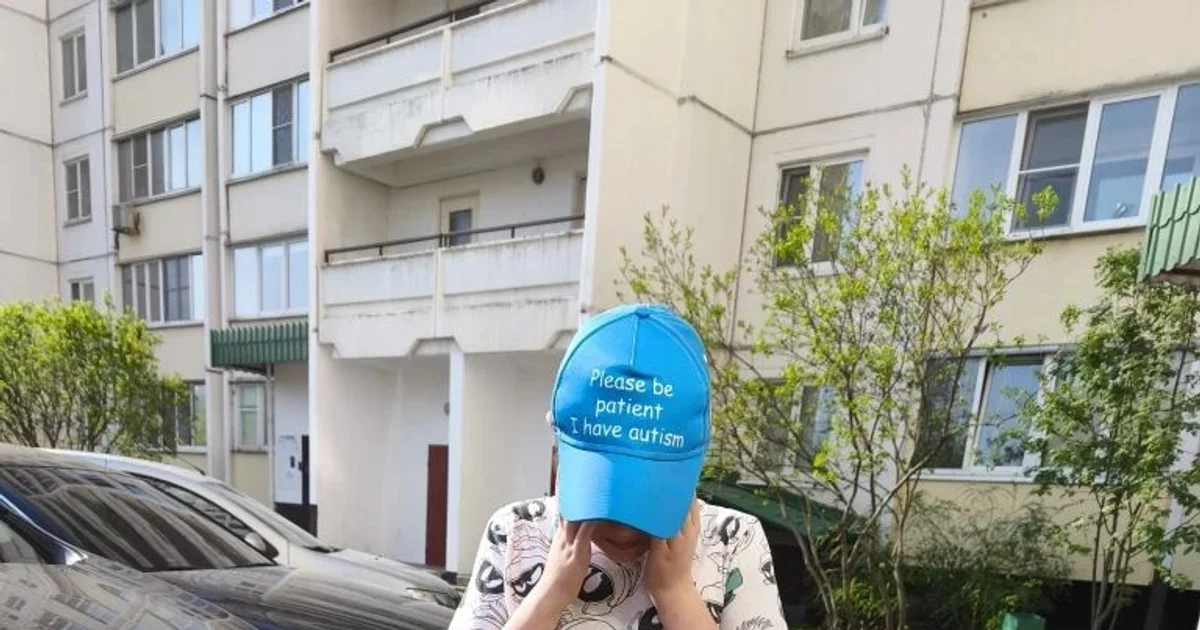
Why caps and T-shirts with labels can matter for an autistic child
For a child on the autism spectrum, clothing with short printed messages can be more than a wardrobe choice — it can be a way to communicate with the world around them. When a child is non-speaking, anxious, or in sensory overload, a simple phrase can help others understand their needs sooner and respond with more patience and care.
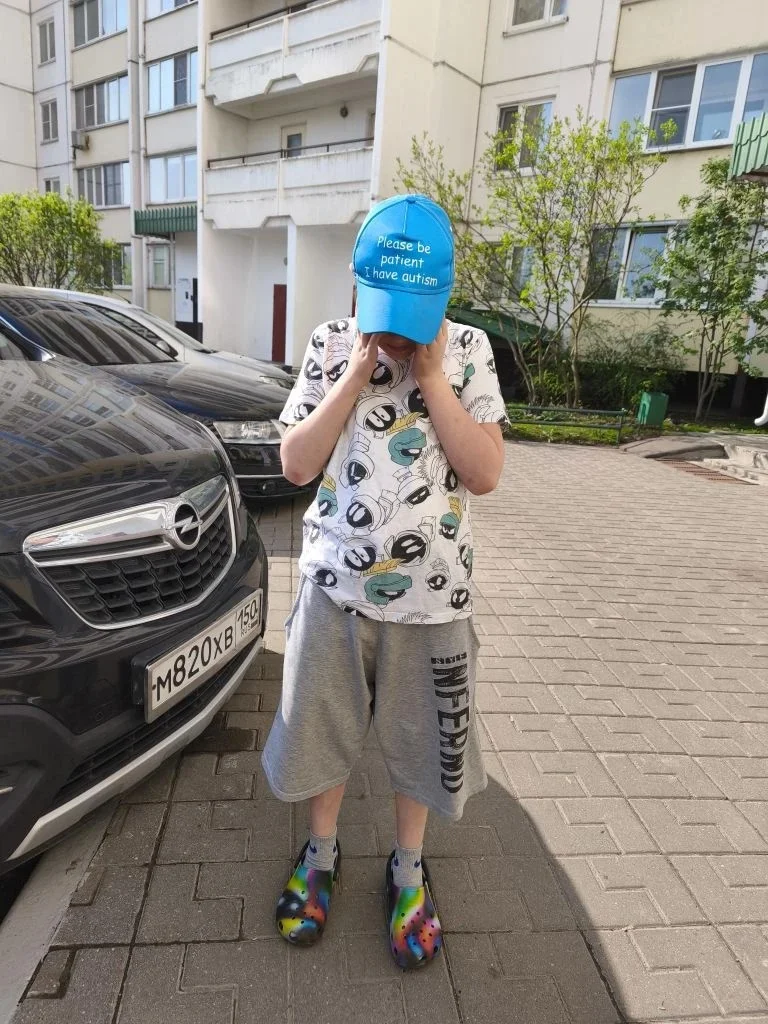
Short labels can prevent misunderstandings and ease tension in public. Phrases such as “I am non-verbal,” “I have autism,” “I need more time,” or “Please do not touch me” help people see that unusual behavior is not “bad manners” but part of how the child’s brain and body work.
This matters most where there are crowds and noise: airports, shops, playgrounds, or public transport. If a child covers their ears, avoids eye contact, expresses emotions loudly, or runs off unexpectedly, bystanders often do not know why. A line on a T-shirt or cap can shift the reaction — from judgment toward patience and a willingness to help.
Labels and safety
Sometimes these messages also support safety. Examples include “May run away,” “I do not understand speech well,” “Help me find my parents,” or “It is hard for me to speak.” In an emergency, they can give strangers information they need to act appropriately.
A family choice, not an obligation
It is important to remember: this kind of clothing is not a duty and not a label the child must wear. Some families feel calmer with it; others do not. What matters is that messages are used for support and comfort — not to justify the child to strangers. The goal is to make the world a little easier for the child and to invite more understanding and respect from people nearby.
Printed messages are one optional job among many. For tags, seams, uniforms, and what the clothing market still lacks, see clothing for autistic people.