
Puberty and Adolescence in Autism: A Complete Guide for Families
Body changes, periods, mood, school, privacy, and consent for autistic tweens and teens — practical guidance without panic or shame.

Updates, tips, and stories about our tools for neurodivergent children.
Body changes, periods, mood, school, privacy, and consent for autistic tweens and teens — practical guidance without panic or shame.

Why autistic children leave safe spaces, how to lower risk without constant panic, and what to do before and after a missing-child emergency.
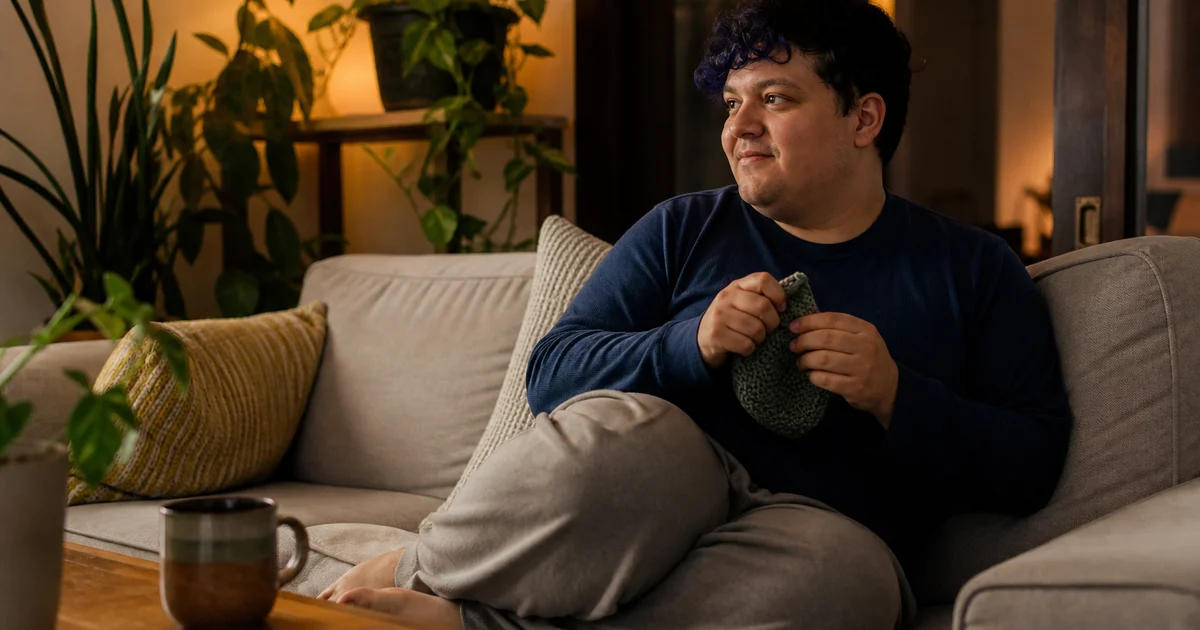
Devon Price on masking as labor, late identification, and unmasking as safety plus community — not a forced public reveal. Digest, not a substitute.

What extreme demand avoidance looks like, why PDA is contested, how it differs from ODD, and what actually reduces panic — without dropping safety.

A complete map of ABA models — DTT, NET, PRT, ESDM, FCT — and the real difference between a supervised clinical program and independent parent practice at home.

Tactile hypersensitivity can shrink an adult wardrobe to three items, block job applications that require a uniform, and trade comfort for self-expression. What research shows and what still is not sold.

The layer against the skin is where most clothing wars start: sock seams, waistbands, bras, shoes, nappies, and the pyjamas that become the only safe clothes.
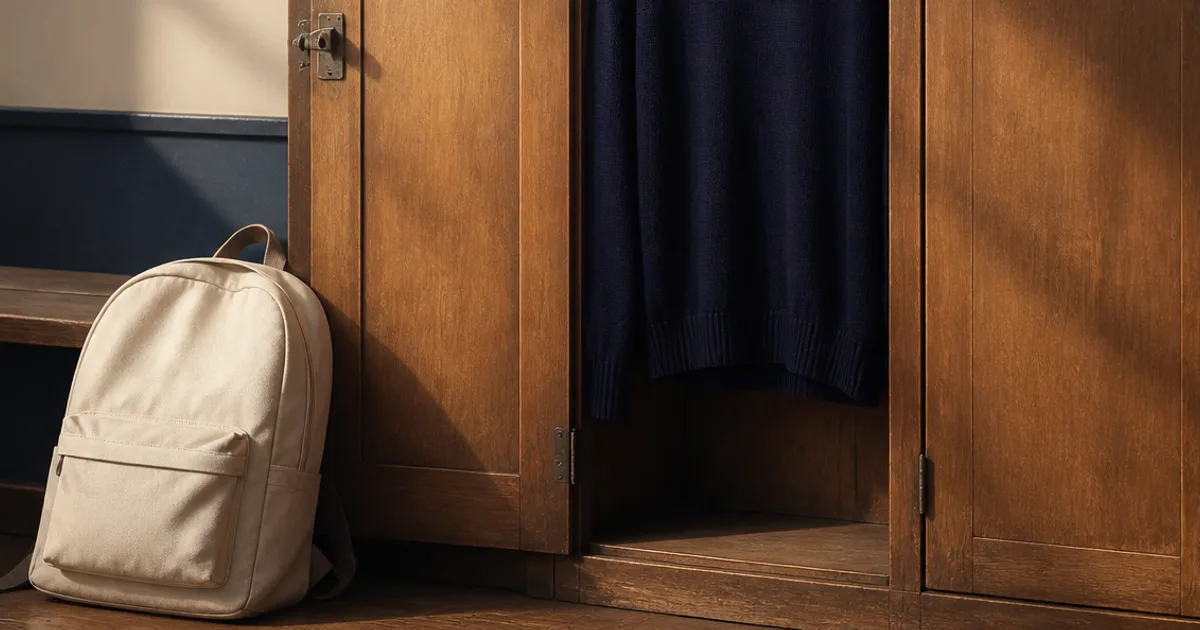
Which uniform pieces hurt most, what UK adaptive schoolwear got right, and how to ask for substitutions when your school has no sensory line — without a fight every Monday.

A map of sensory-friendly and adaptive clothing worldwide: tags, seams, magnets, compression, uniforms, and communication prints — plus the gaps that still hurt daily life.
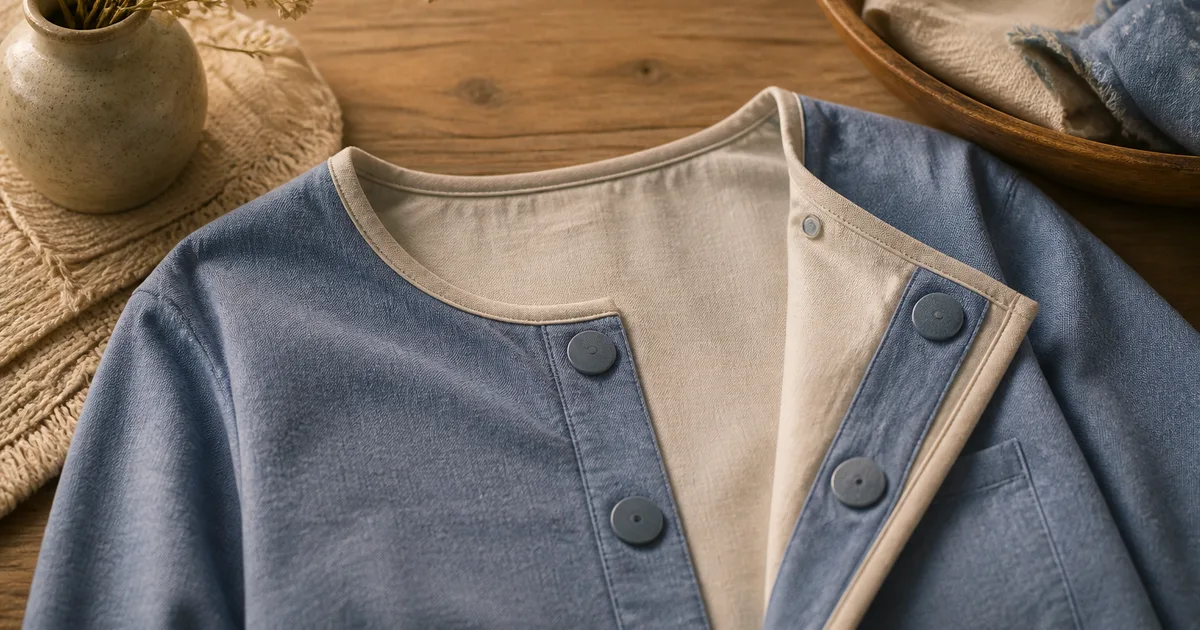
Magnetic closures and seated dressing help some autistic people get dressed; they can also add bulk and noise. How to separate mobility-adaptive design from sensory-first clothing.
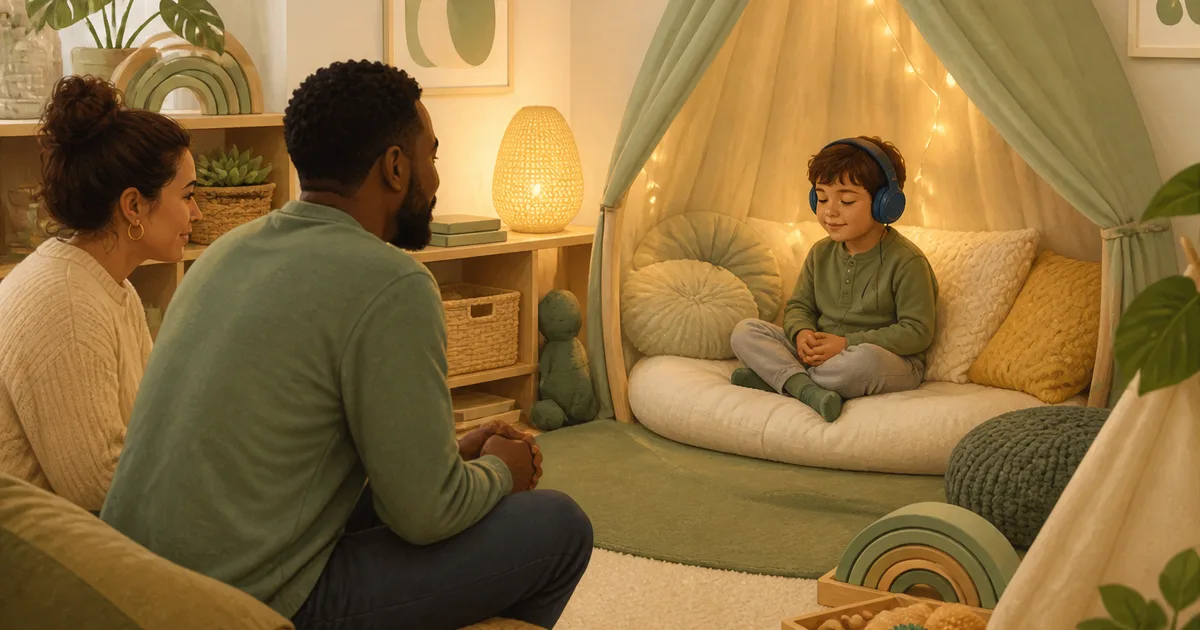
How hyper- and hyposensitivity, sensory seeking, and overload show up day to day; what helps at home and school; how sensory needs intersect with anxiety, eating, and meltdowns; and when to seek OT or medical care.

A qualitative survey of 20 Australian parents of autistic preschoolers found nature walks brought calm, connection, and communication — plus coordination challenges.

A digest of Silberman's history of autism — from Asperger and Kanner to advocacy, vaccine panic, and neurodiversity — for families seeking context.
A curated media hub for families—documentaries, series, YouTube, podcasts, and online groups—with selection criteria, caveats, and what to avoid.

An expanded digest of Prizant: ask why, regulate before skills, interests as bridges, partnership over coercion — without replacing the book.

Twelve books worth reading for parents, caregivers, and therapists—selection criteria, who each is for, core ideas, and a forthcoming digest series.
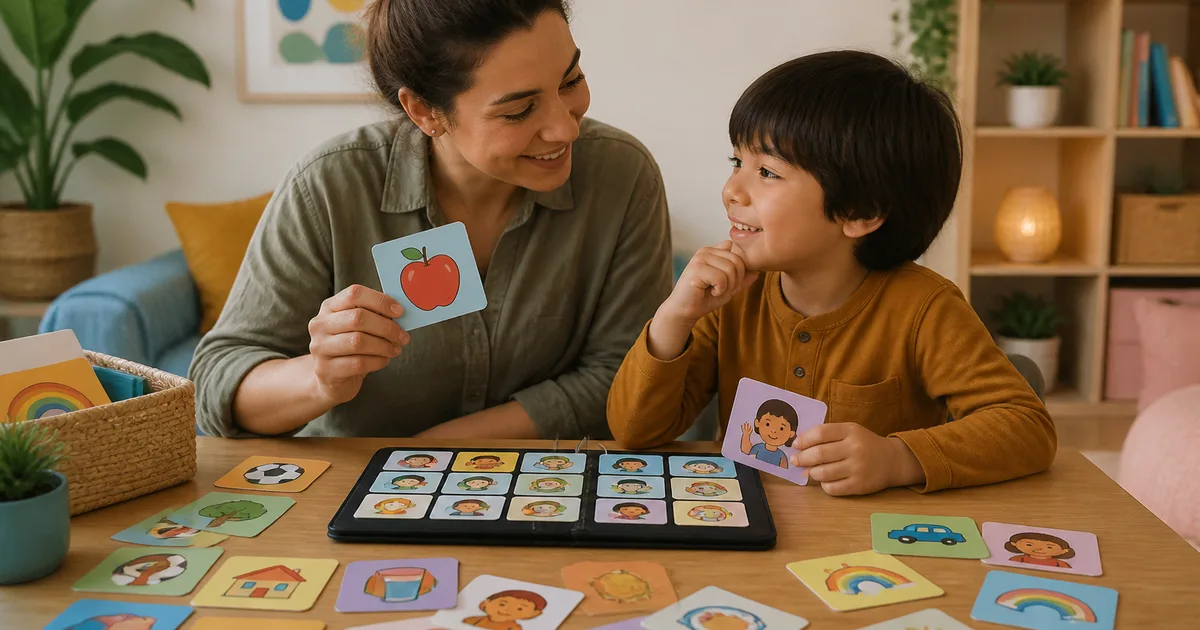
Use visual communication cards at home, school, and outside: starter words, routines, modeling, and respectful AAC support.
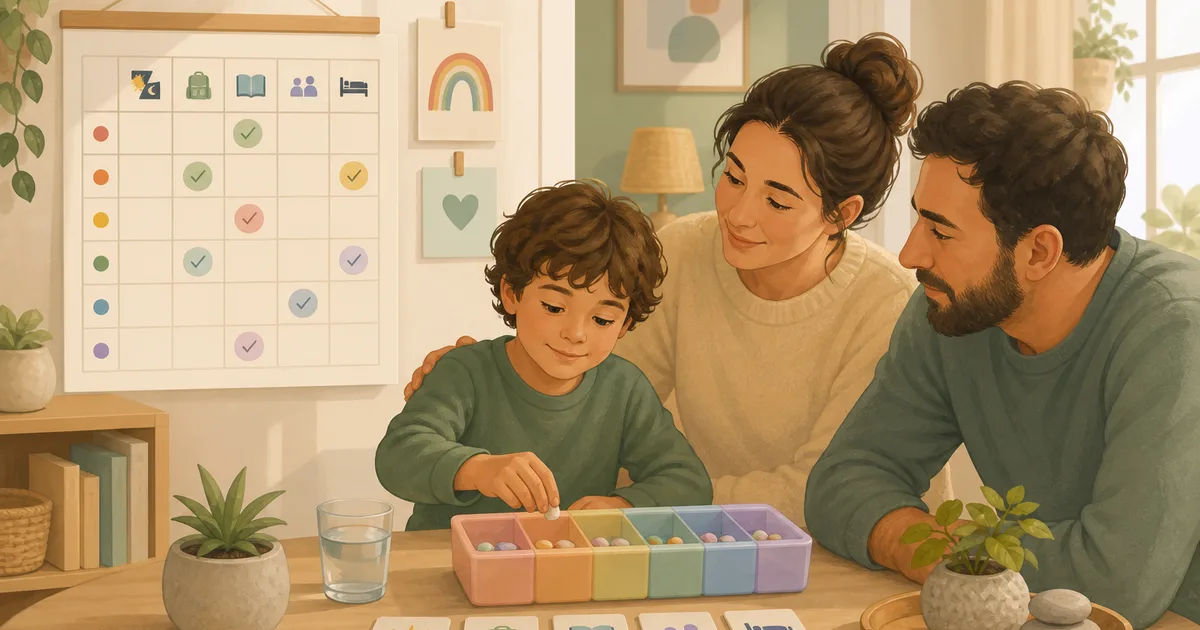
Build safer medication routines with schedules, caregiver handoffs, school plans, reminders, and useful notes for clinicians.

Use short, consent-aware ABA-informed practice at home: goals, reinforcement, data, school coordination, and when to seek a BCBA.
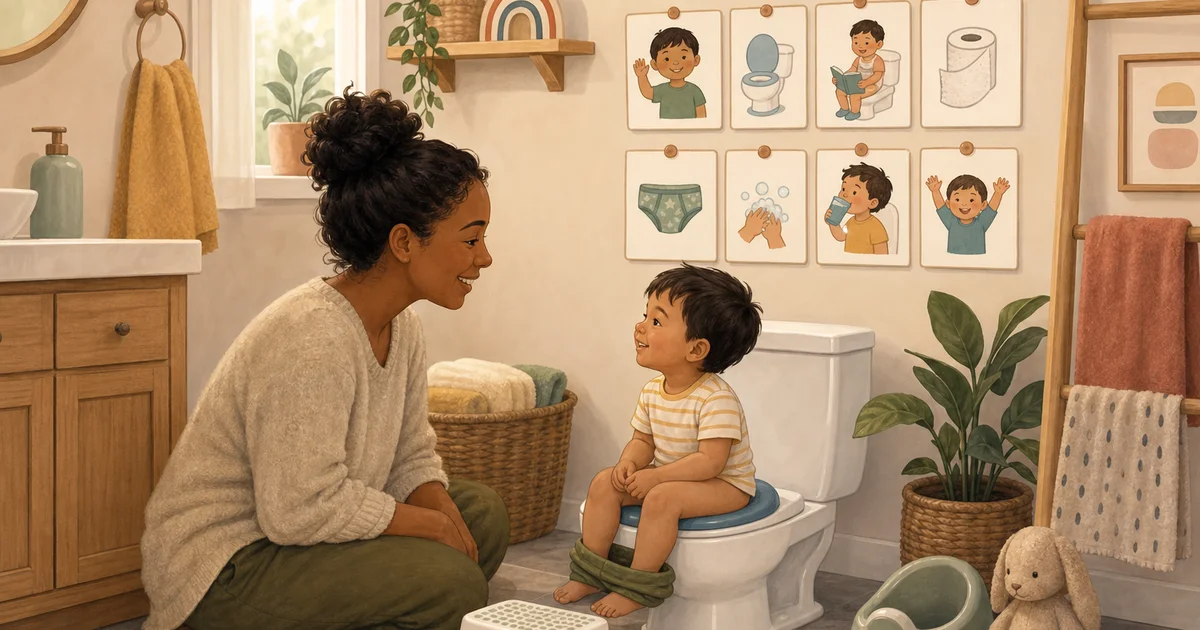
Why potty training often takes longer with autism, how to use visuals, timed prompts, and logging, and when to pause — plus a free parent tool for routines.

What autistic masking is, why people do it, how it shows in kids and adults, links to burnout and anxiety, what research measures miss, and how to reduce costly camouflage without abandoning safety.

What autistic burnout is, how it differs from depression and ordinary job burnout, how masking fuels it, and what recovery and support can look like at home, school, and work.

How to prepare an autistic child for school, build accommodations, handle transitions and sensory load, reduce masking burnout, and partner with teachers without turning every week into a crisis.

How anxiety shows up in autistic kids and adolescents, how it differs from ADHD and OCD patterns, what helps at home and school, when to seek clinical care, and how to avoid overload that fuels burnout.

A full reference for parents, adults, and therapists: what ADHD is, how it shows up across ages, diagnosis, autism overlap, school and work, medication, therapy, and everyday supports — with clear limits of what science can say.

An evidence-based guide for parents and professionals: how ionizing radiation affects the developing brain, what Chernobyl and Fukushima studies show, and whether autism rates rose in exposed populations.
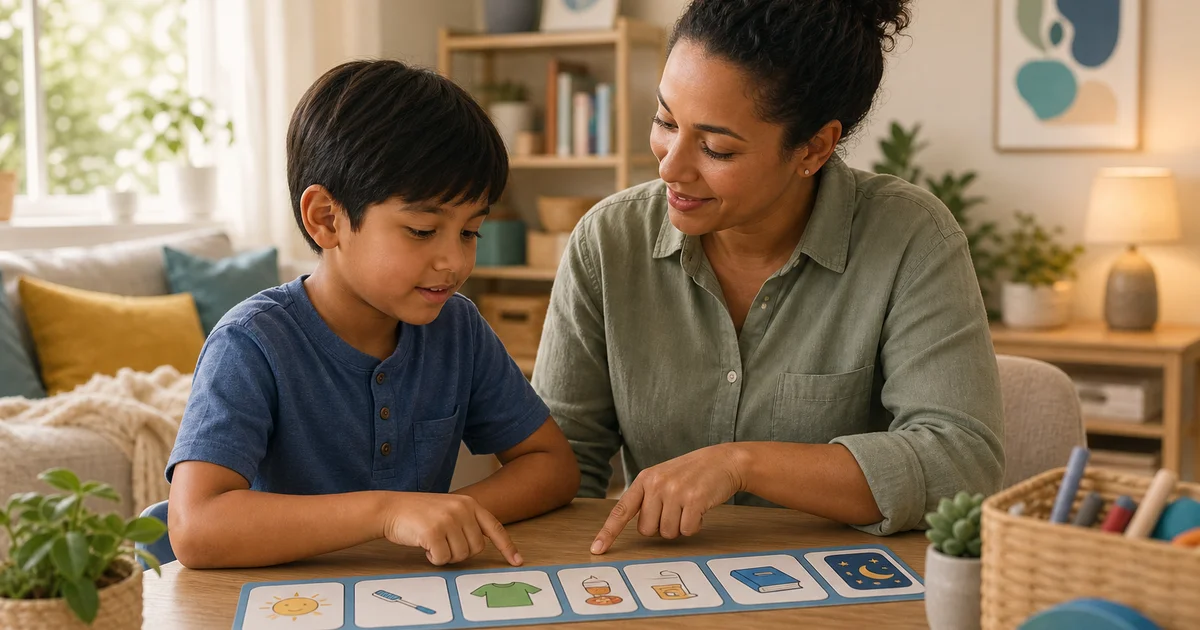
A full overview for parents and therapists: ABA, speech therapy, AAC, occupational therapy, medication, diets, and controversial methods — what research supports and what it does not.
Simple language, books, and routines that help brothers and sisters understand an autistic sibling without fear or blame.

Visual schedules, desensitization steps, and communication tools that make medical appointments less overwhelming.
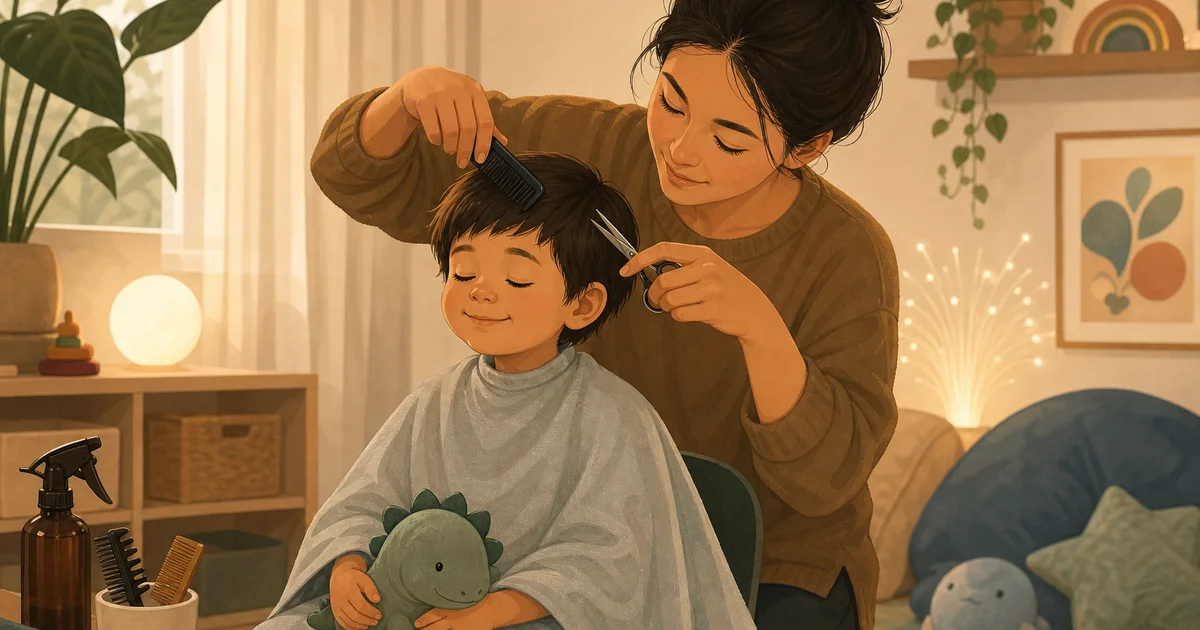
Why haircuts, nail trimming, and tooth brushing can be overwhelming, and practical ways to practice gradually at home.

A clear, evidence-based overview for parents and therapists: diagnosis, prevalence, genetics, what helps, what doesn't, and what researchers still debate.
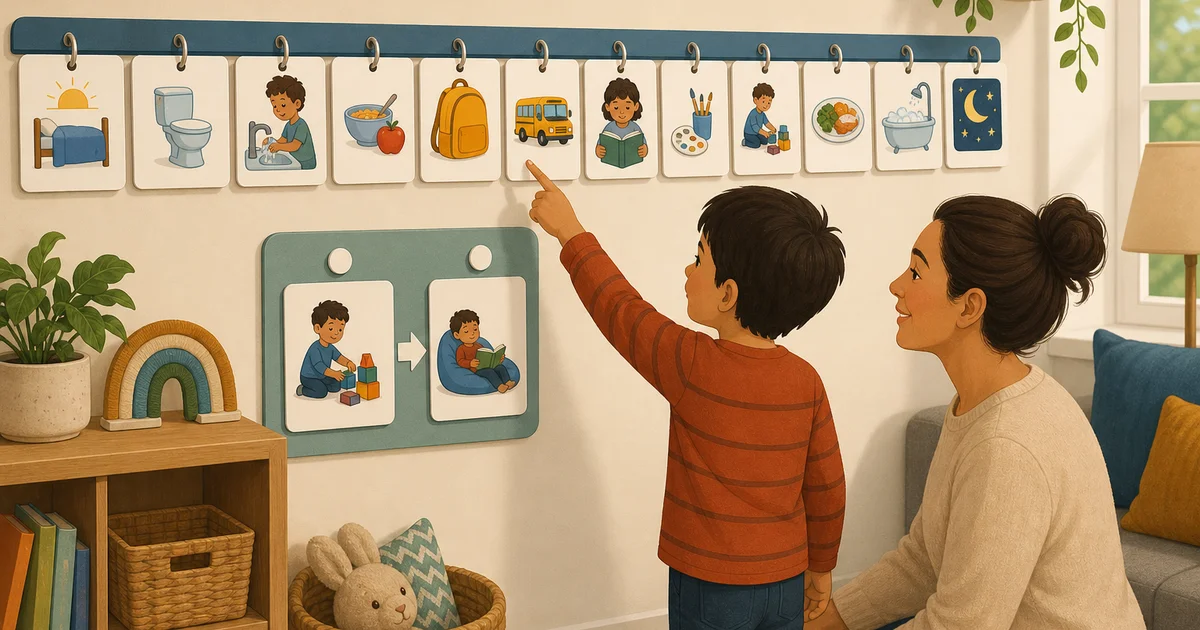
How first-then boards, picture schedules, and now-next cards reduce meltdowns when changing activities — with simple steps to start at home.
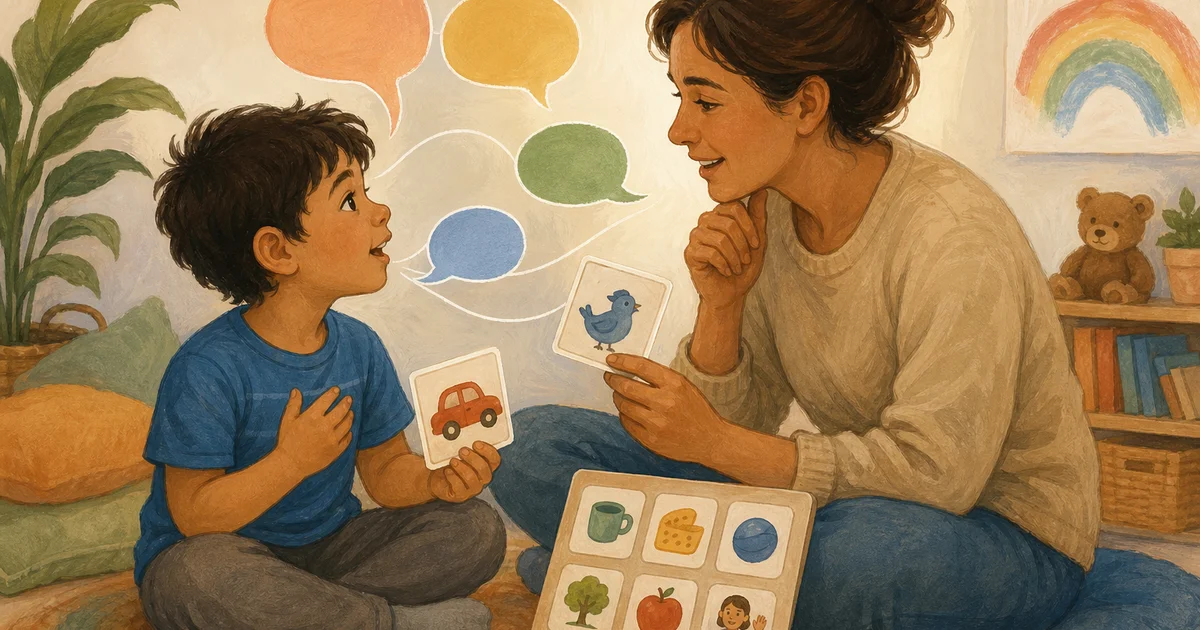
Immediate and delayed echolalia are common in autistic communication. Learn what your child may be doing with repeated words and how to support meaningful language.
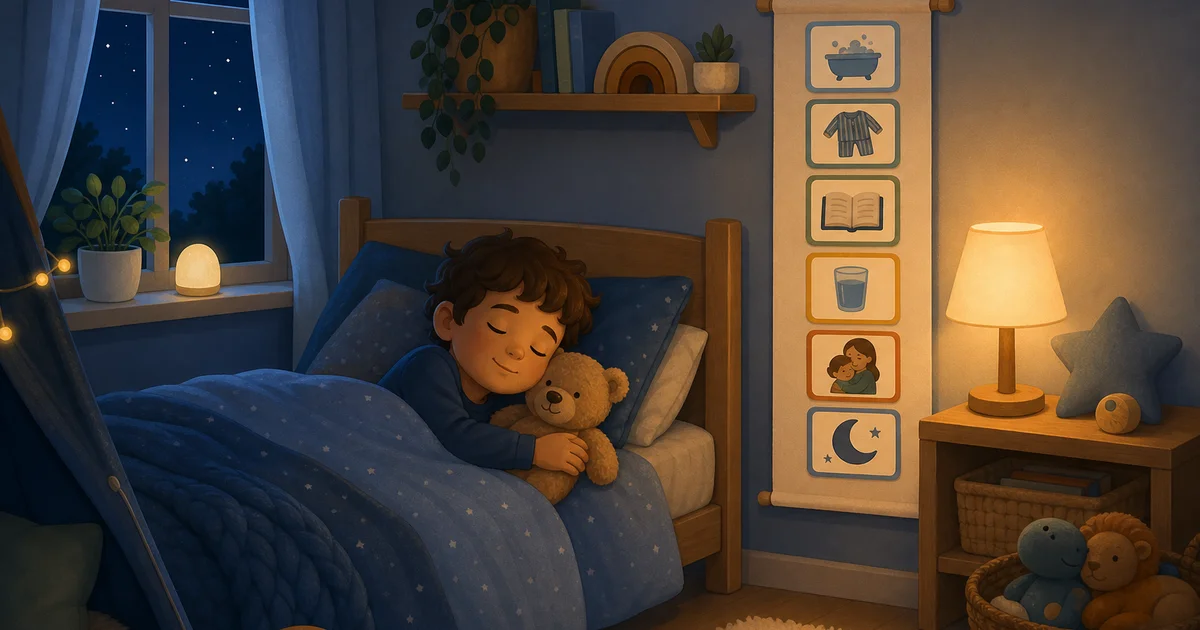
Why autistic children often struggle with sleep, how to build a calming bedtime routine, and when to talk to your doctor about melatonin or other support.
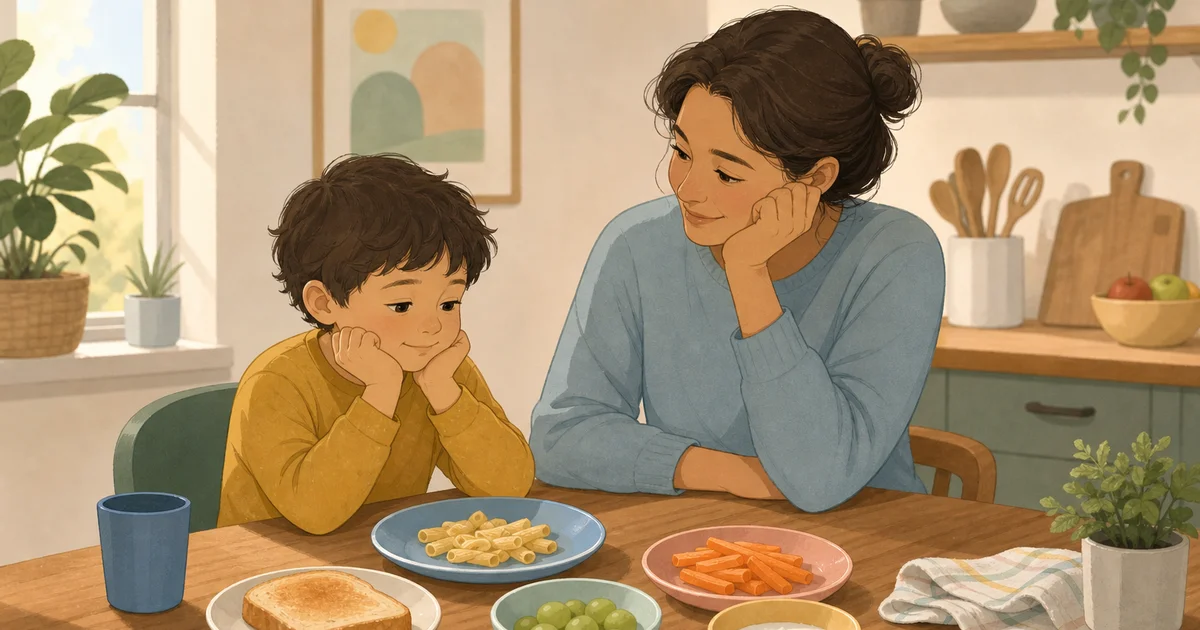
Why many autistic children eat a narrow range of foods, how to expand choices without battles, and when selective eating needs medical attention.
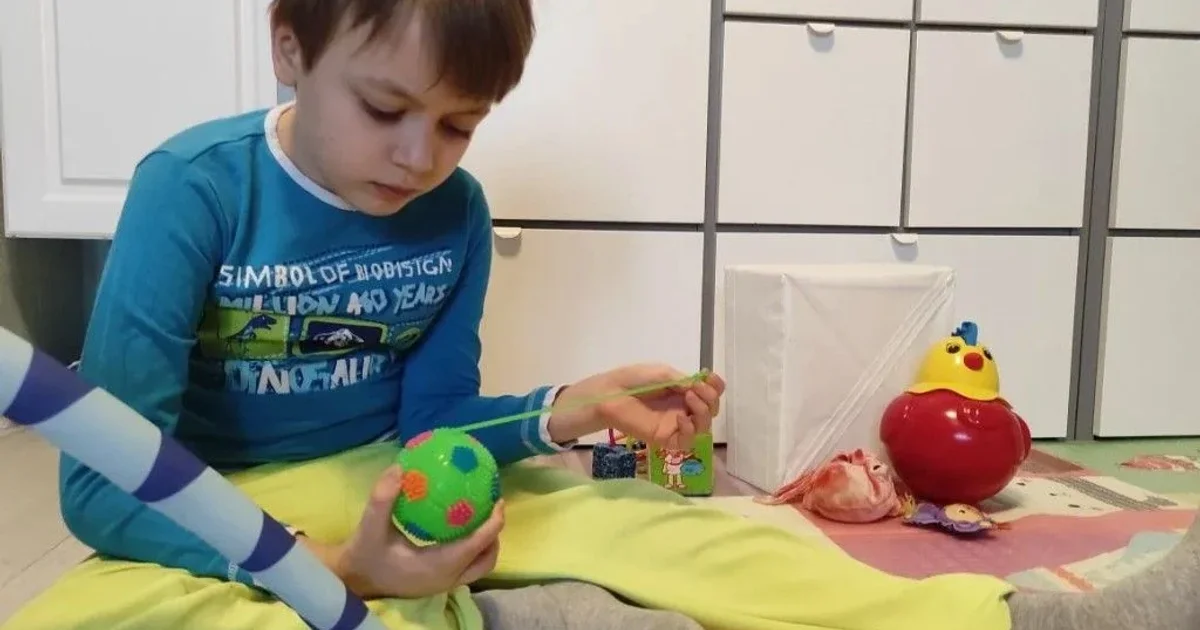
A practical guide for parents: calm home routines, sensory activities, meltdown support, clothing comfort, and rebuilding safe walks with an autistic child.

A small UK focus-group study explores self-identification with and without a formal diagnosis, and what that means for support.
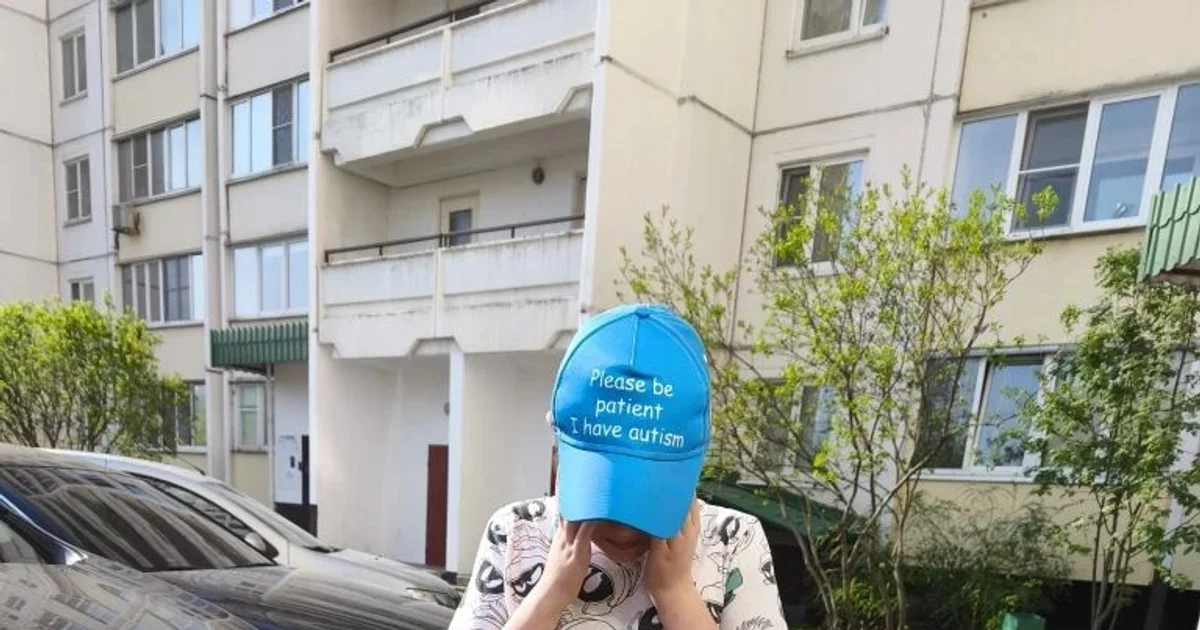
Why caps and T-shirts with short phrases can help autistic children in public — patience, safety, and when this approach is optional.
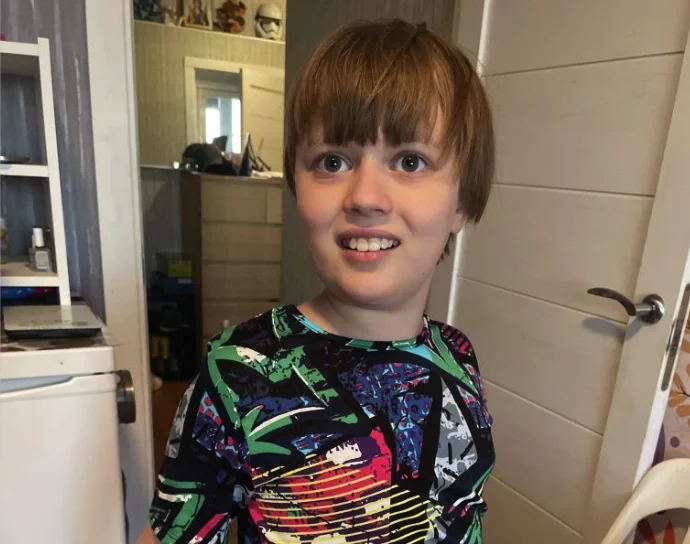
Why children may undress at home, how to separate “home” and “outside,” home clothes, visual cues, and a calm routine—without pressure or shame.
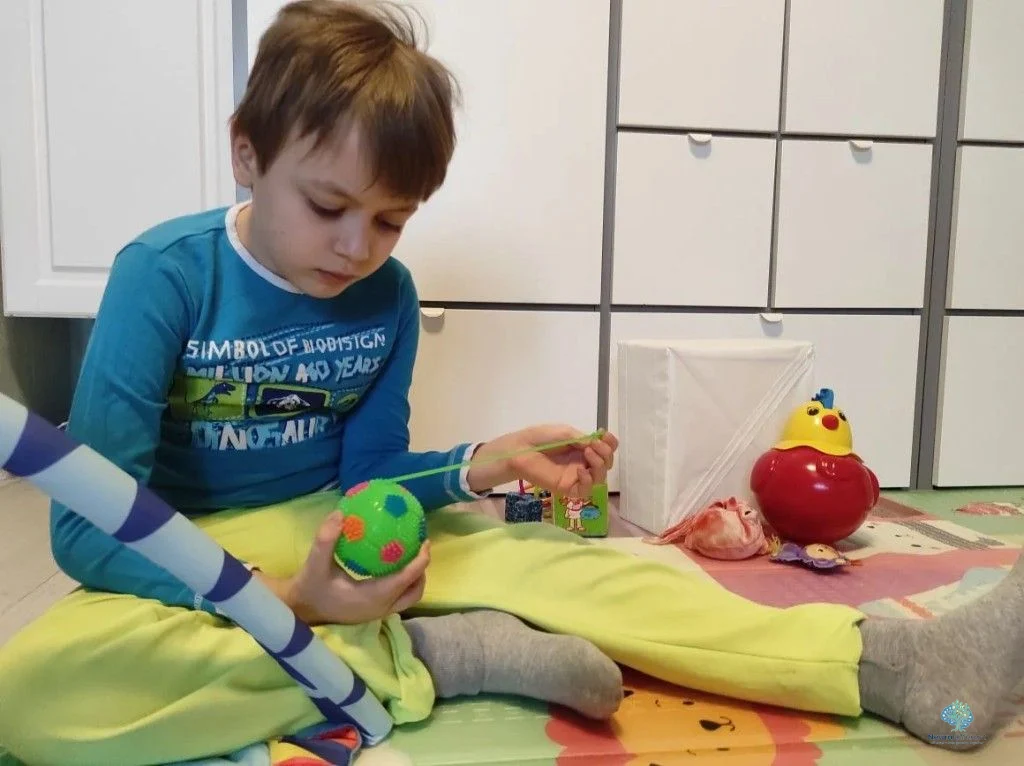
Simple home activities for a child with severe autism: sensory play, sorting, daily-life tasks, guided tablet use, and a short visual routine.
Born in Cambodia, the path to diagnosis, therapies we tried, and how the idea for helper apps grew out of daily routines and notes.
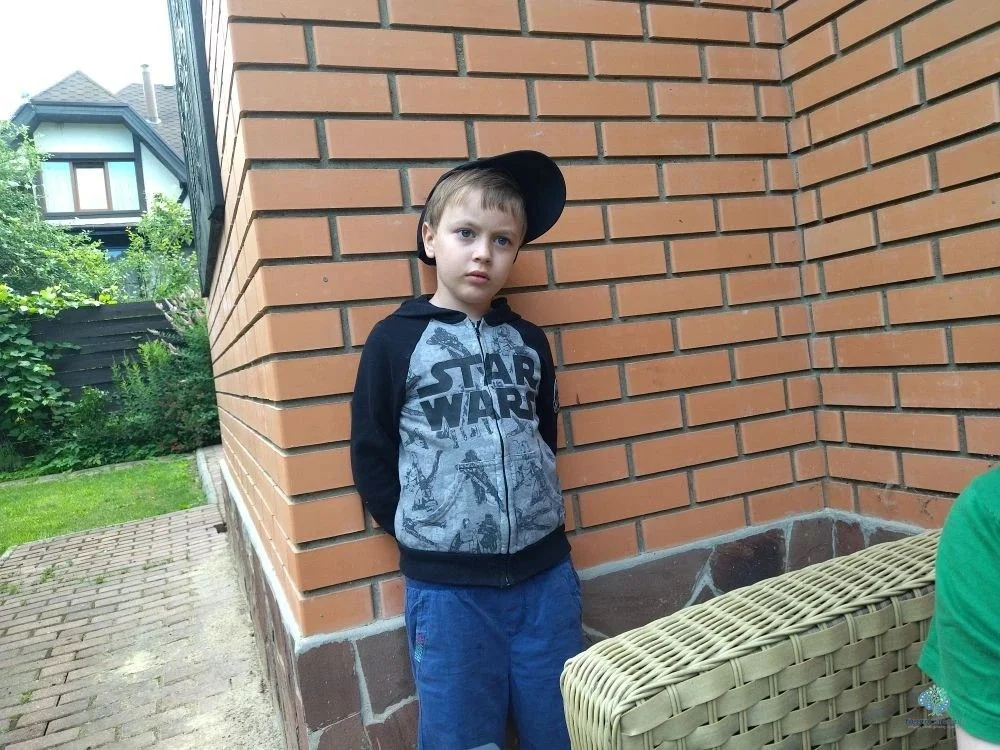
Why walks can turn into meltdowns with an older autistic child, how overload and fear build up, and practical steps to make going outside feel safer again.

Computational simulations suggest shared brain-like ‘substrate’ properties tuned by polygenic selection can create strengths-and-weaknesses profiles across tasks — a domain-relevance account of uneven cognition.

Compared with typical peers, 40 Turkish-speaking toddlers with speech–language delay showed poorer swallowing/oral-motor scores and higher family feeding stress — even without major nutrition failure.
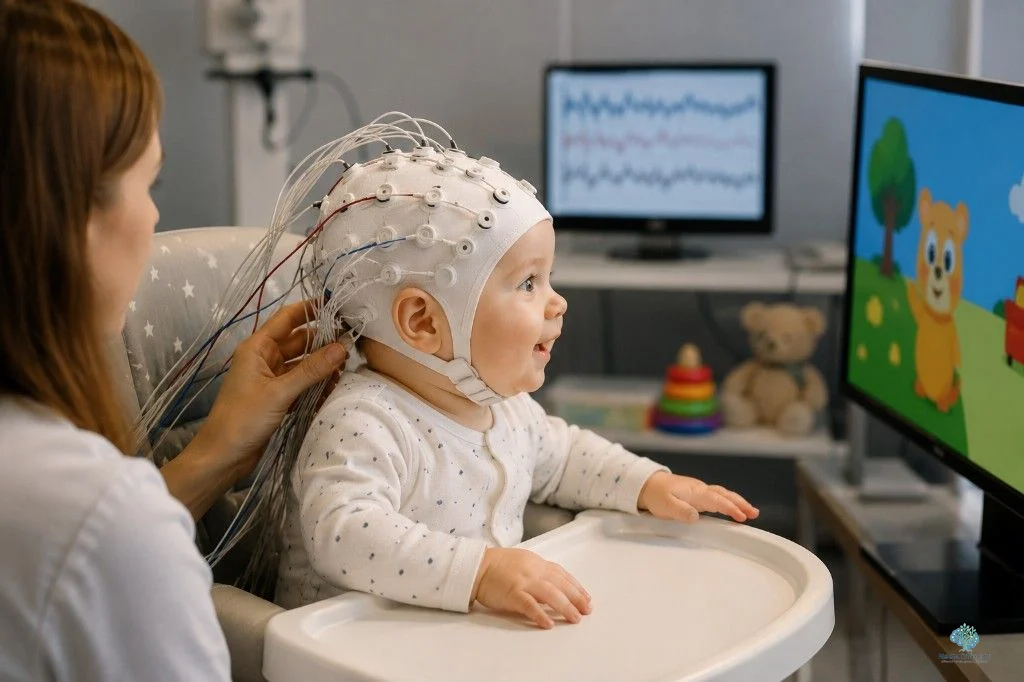
A study of infants with both elevated and typical likelihood of autism suggests that certain patterns of brain activity at 10 months may be linked to how language develops over the next few years.
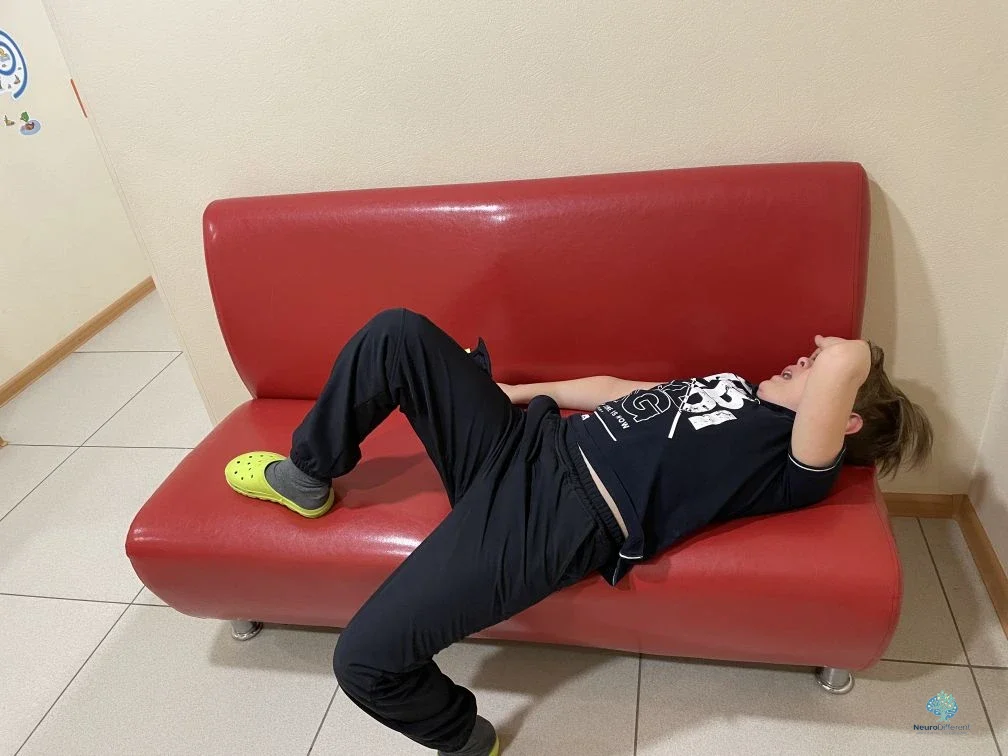
How to support a child through a meltdown safely, co-regulate without shaming, and reduce everyday triggers — written for parents of autistic and non-speaking children.
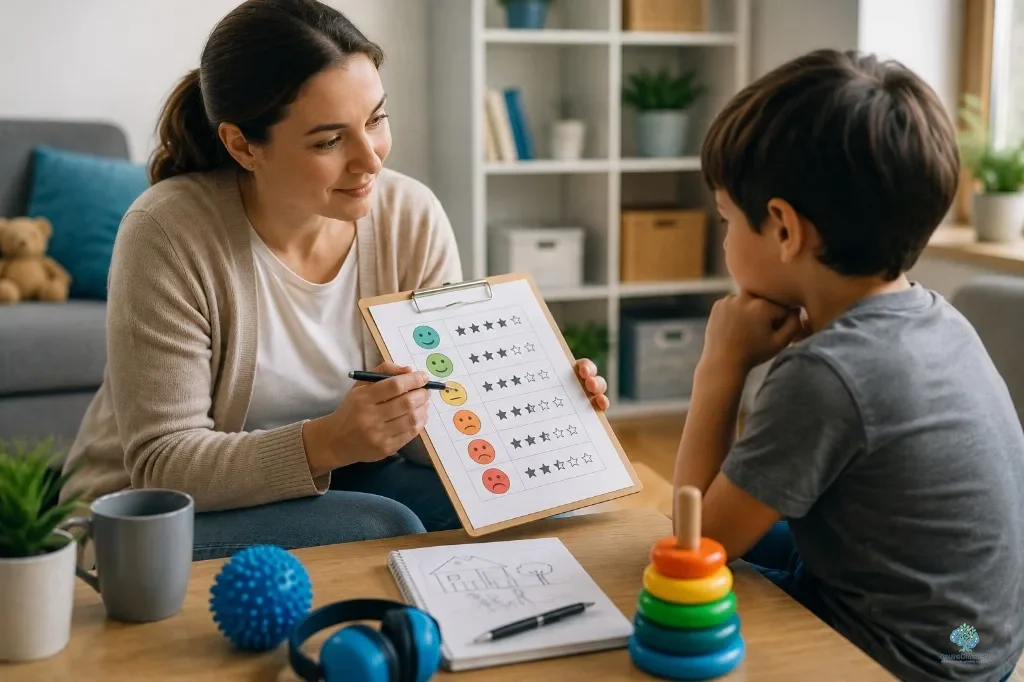
A preliminary study suggests that some autistic and neurodivergent children may experience improvements in anxiety and sensory difficulties during bumetanide treatment, but the results are still early and uncertain.
In 198 term newborns, higher autism polygenic scores tracked cerebellum–brain connections, with opposite patterns by sex. Preprint.

Two children with novel HCFC1 gene changes also had autism, ADHD, and brain malformations not previously linked to this gene.

Among 1,443 autistic adults in the Netherlands, a 14-item SIAQ captured four identity facets; higher satisfaction and lower centrality linked to better mental health.

A study of social media posts suggests that discovering autism or ADHD later in life can bring a mix of relief, grief, self-understanding, and emotional exhaustion.

Comparing 51 autistic and 51 BPD-diagnosed women/PAFAB: sensory load marked autism more; identity disruption marked BPD more — with caveats about overlap.

Australian survey of 465 mothers and 216 fathers: mothers report higher stress tied to more child domains; fathers’ stress links mainly to behavioral difficulties.

Interviews with 27 autistic adults after a modified group CBT program: structured exposure helped most; cognitive work and real-world carryover need more autism-informed flexibility.

136 autistic children (ages 8–14) report feeling safer at home than at school; many describe limited autism vocabulary and costly masking.

A UK scoping review of six papers: autistic trainees bring empathy and detail focus, yet face sensory overload, disclosure dilemmas, and thin support in clinical learning.

Among 66 children with NICU history, 6 screened in the ASD range; prematurity, PROM, longer stays, and more respiratory support linked to higher ASD scores — hypothesis-generating only.

A narrative review links stronger autistic symptoms in schizophrenia-spectrum disorders with more cognitive and social difficulties, and sketches three pre-onset severity patterns for future research.

Across 19 experiments (58 participants), consequence-based strategies showed larger effects on transition-related challenging behavior than signaling alone; overall pooled effect was uncertain.

A systematic review links gut microbiome patterns to autism and ADHD, but most studies are weak and cannot prove cause and effect.

A review of 389 studies finds camouflaging/masking terms and measures are inconsistent — and samples often miss higher-support autistic people.

A review of 16 studies finds higher levels of certain gut bacteria byproducts (valeric, hexanoic, isobutyric acids) in autistic children.

A small study explored how adult siblings of autistic people in China described responsibility, closeness, loneliness, and balancing family needs with their own lives.
Cochrane review will evaluate accuracy of common autism diagnostic tools in preschool children compared to clinical judgment.

A narrative review finds strong VR evidence for anxiety/phobias and PTSD exposure, plus promising VR/AR gains for autism social-cognitive skills — with small samples, short follow-up, and cybersickness risks.

ViPro-SR is an 11-item self-report tool with three subscales for contrast hypersensitivity, detail focus, and peripheral vision activation.

In 48 autistic children aged 4–6, stronger visual perception linked to more participation in self-care and learning — correlational, India sample.

A review of 11 trials found studies too mixed to rank which virtual-reality approaches best support social skills in autistic children.
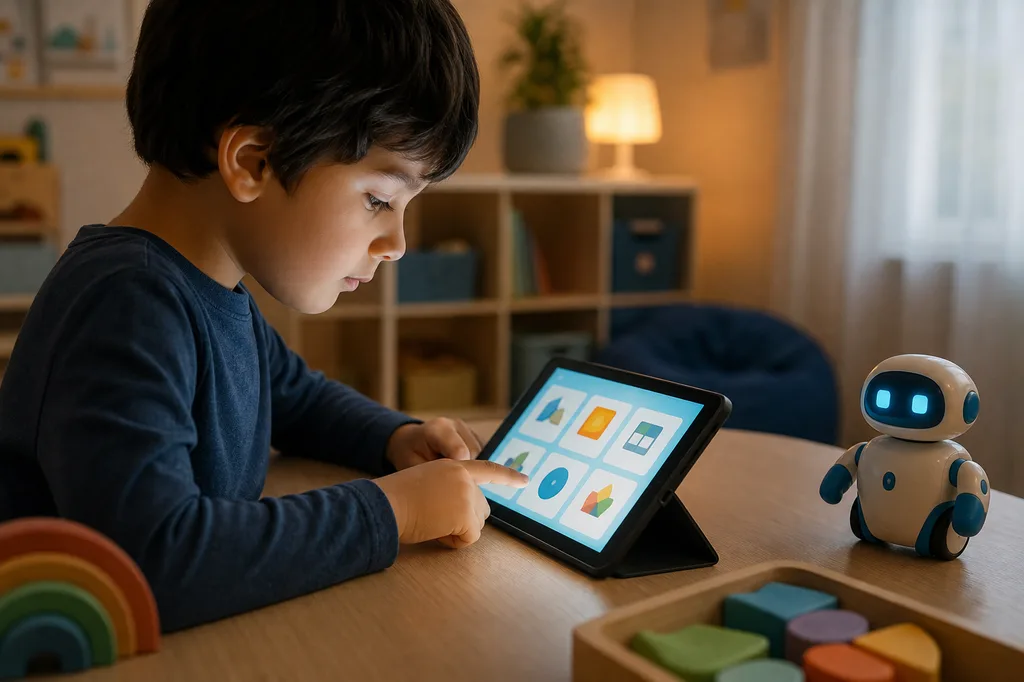
A perspective paper argues that engagement with apps, robots, or VR in autism research may reflect sustained attention rather than true motivation, and says measurement needs to be clearer.

fMRI in 86 youth during a live chat: autistic adolescents showed stronger task-evoked links between mentalizing temporal regions and the amygdala; stronger coupling related to lower social motivation scores.

Adults with elevated social anxiety showed less left pSTS activity in theory-of-mind scenes and more idiosyncratic higher-order brain responses — with an exploratory contrast to an autism cohort.

National NHS data suggest restraint-related rates for women rose about 12% a year from 2017–2025, including in autism and learning-disability services.

Researchers built the 46-item Q-SoCiAL verbal form with parents of 330 autistic and 401 non-autistic children aged 2–6 who use more than 10 words.

In 906 Australian births, a mix of chemicals, air, sunlight and folate related to aromatase gene tagging — a possible autism pathway, not proof.

In 122 autistic children, fine motor skills, joint attention, and white-matter measures together predicted vocabulary growth over about two years.

In a large U.S. healthcare system, electronic tracking tools were linked to more completed screening forms and faster follow-through for families.

In 79 Japanese children aged 9–15, parent questionnaires and ADOS-2 scores overlapped only weakly; sex and age shaped the gap.

A small study suggests an online self-compassion course may help mothers feel less self-critical and emotionally stronger, even if parenting stress stays high.

A Danish three-generation cousin study (preprint) suggests some maternal diagnoses link to autism via shared genes, others partly via the prenatal environment.

A study of 1.1 million births found small increased risks for some neurodevelopmental disorders in children of mothers with autoimmune conditions.

Among 590 typically developing preschoolers, higher maternal autistic traits linked to more child anxiety via emotion beliefs and emotional instability — correlational, not causal.

A 74-year-old man was misdiagnosed with schizophrenia after a brief psychotic episode at age 23; later reassessment revealed unrecognized autism.

In 50 autistic children, gene activity in inflammasome-related pathways was higher than in controls and tracked with language, sensory, and motor scores — early biomarker research, not a treatment claim.

A large review of 19 studies (20.6 million people) finds global ASD prevalence around 0.8-1.55%, with wide regional variation.
A review of gene therapy approaches for monogenic forms of autism and their potential for the broader spectrum.

A review of 26 studies finds autistic girls and women are often diagnosed later because tools were built mainly around male presentations.

In 45 young autistic children, a 12-week fine-motor sports-game program improved symptom and motor scores more than sensory integration therapy.

In 57 sibling pairs, three fecal inflammatory proteins did not differ significantly between autistic children and non-autistic siblings.

In 45 neurotypical adults, higher autistic traits tracked more shame-proneness and less guilt-proneness; midline connectivity with the right frontal pole mediated parts of those links.

In 555 children, DualPathNet (>70% accuracy from 2–3 minutes of emotionally challenging movie clips) found autism-related neural signatures during empathy-demanding moments, not uniformly across viewing.

A multilingual study on X/Twitter found growing neuroaffirmative language, with important differences across languages and cultures.

A large U.S. parent survey links autism in school-age children to more victimization and higher odds of being under- or overweight.

A mouse study links the autism risk gene ASXL3 to thyroid hormone and brain circuit changes, with early treatment reversing behaviors.

Three young adult autistic women with untreated ADHD and recurrent suicidality improved rapidly after ADHD treatment — with side effects in one case; authors call for larger studies and dual screening.

A systematic review of 69 studies finds AAC research still centres on children, speech-generating devices and picture exchange, and proximal request goals — with almost no adult or quality-of-life outcomes.

A narrative review links higher parental BMI with greater odds of autism, ADHD, and related outcomes in offspring — stronger evidence for mothers than fathers.

In 983 adolescents in English eating-disorder services, social phobia and peer difficulties predicted less weight restoration at six months — relevant where autism and eating disorders co-occur.
A small pilot study tested wrist accelerometers alongside live observation and video review during functional analyses with three autistic children.

A Swedish twin study suggests autism and intellectual disability remain linked to adaptive challenges after accounting for genetics, while ADHD’s link looks partly genetic.

In lab conversation videos, higher autistic traits meant less looking at faces/eyes; sunglasses delayed everyone’s gaze to a new speaker. ADHD traits did not show the same face-looking pattern.

Interviews with 37 autistic or ADHD police officers map tensions between medical vs social identity, ability vs disability labels, and staying invisible vs advocating.
A UK birth-cohort study links parent-reported hyperacusis at age 11 to higher emotional difficulty at 13 and 16, even after accounting for autism traits and earlier anxiety.

A Cochrane review suggests some short-term reduction in irritability with risperidone and aripiprazole in children, but evidence on benefits and harms remains uncertain.

Interviews with 34 autistic professionals in Scotland found disclosure was a risk calculation, and small environment and communication changes helped.
In 19 autistic adults and 19 matched controls, skilled gestures were less accurate, while finger dexterity looked similar.

In 190 children, trial-to-trial EEG variability reached about 71% classification accuracy — better than traditional average power — but is not a diagnostic test.

A 2025 narrative review explains how biased tools, wait times, and overlapping conditions can delay or miss autism diagnoses in some groups.

Over half of autistic Australian children in this sample received a psychotropic medication; one in four had more than one class.

A large Cochrane review suggests that some medications may help reduce irritability in autistic people, but evidence for aggression, self-injury, and long-term safety is still limited.
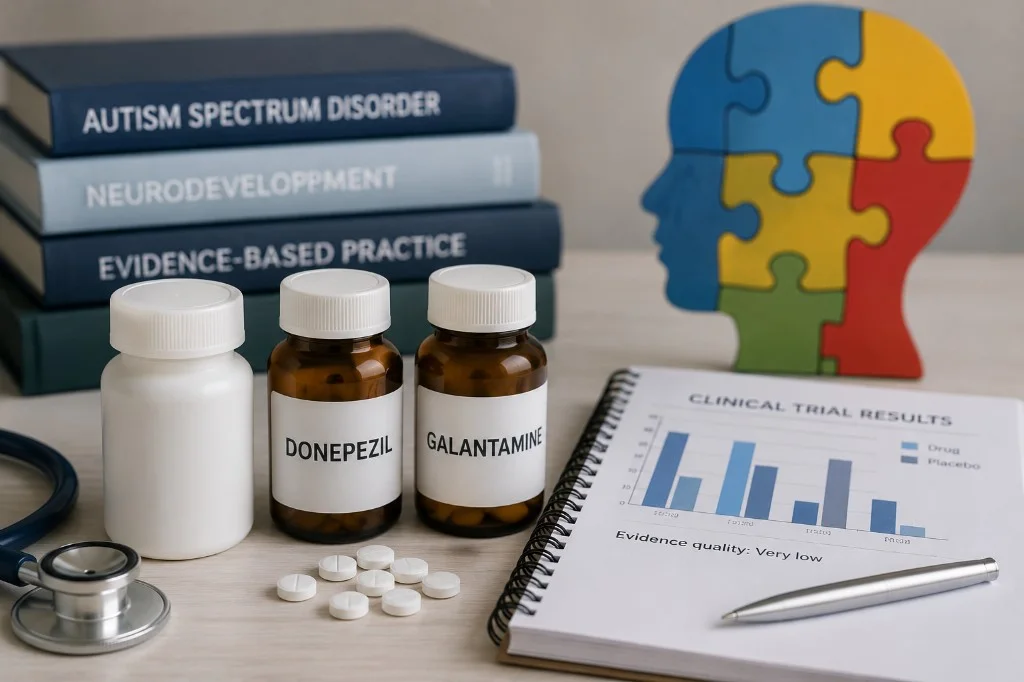
A small Cochrane review found no clear evidence that medications such as donepezil or galantamine improve core autism-related difficulties in children and teenagers.
A large Cochrane review suggests that most children diagnosed with autism in early childhood still met diagnostic criteria years later.
A small Cochrane review found no clear evidence that memantine improves core autism-related difficulties in children and adolescents.
A large Cochrane review suggests that music therapy may help autistic children with overall development, emotional connection, and quality of life, although effects on specific communication skills are less certain.

A large research review found that peer support groups often help parents feel less alone, but clear scientific evidence for reducing stress or improving wellbeing is still limited.
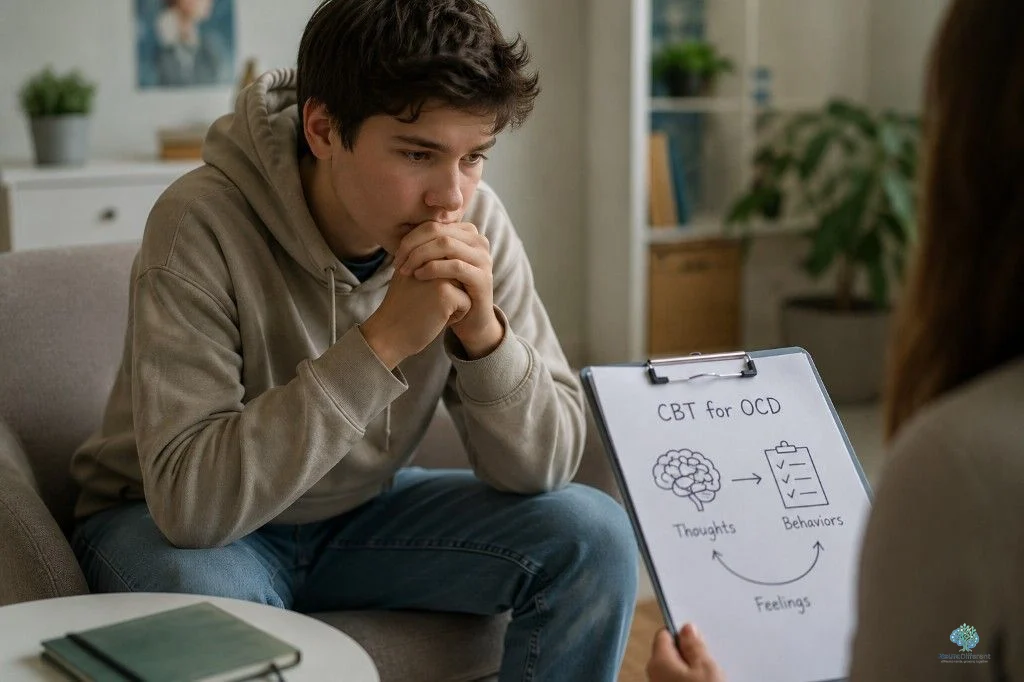
A Cochrane review found very little research on CBT for obsessive-compulsive disorder in autistic people — and only one small trial to learn from.

Study of 320,000 people finds rare gene variants, including SLC2A1, increase depression risk, overlapping with autism and schizophrenia.

A small Cochrane review found no clear evidence that adding D-cycloserine to social skills training improves communication or social interaction in autistic children.
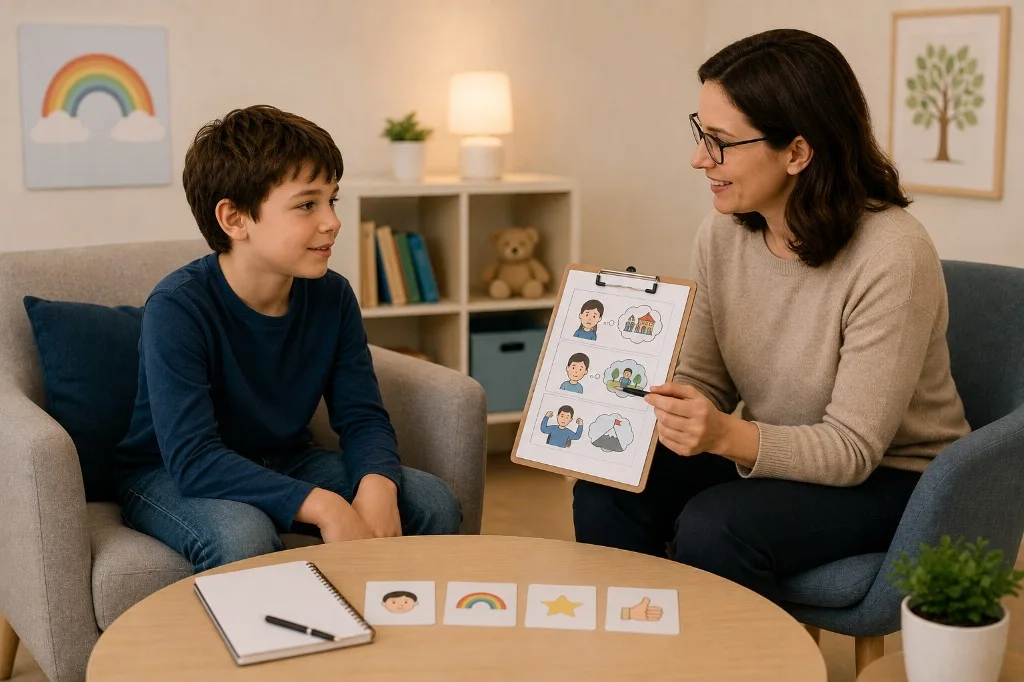
A large Cochrane review suggests cognitive behavioural therapy often helps children with anxiety disorders, including autistic children.

A Cochrane review of two small trials found weak evidence for gluten- or casein-free diets and called for larger, rigorous studies.
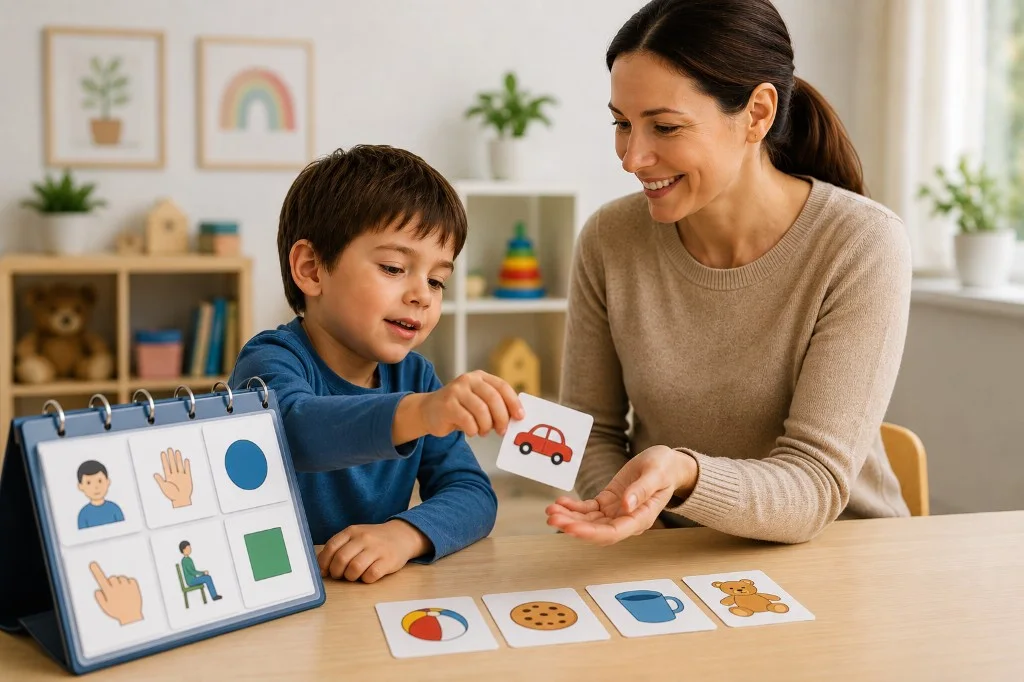
A Cochrane review found only limited evidence that parent play training or PECS lead to lasting improvements in communication for autistic children who speak very little or not at all.
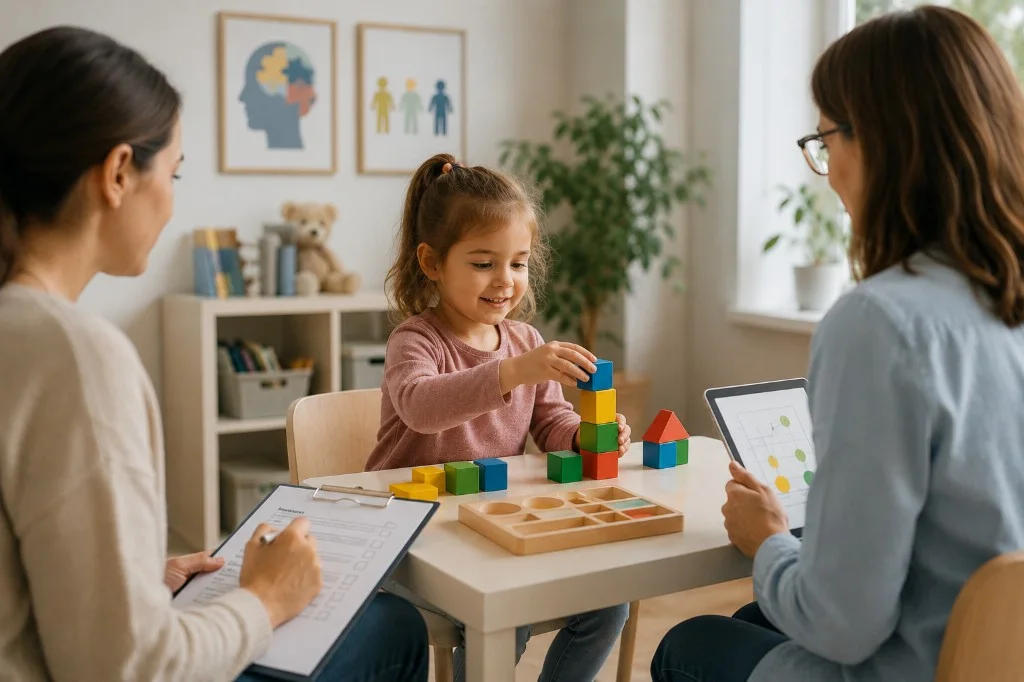
A large review found that tools like ADOS, CARS, and ADI-R can help identify autism in young children, but no single test is reliable enough to replace a full clinical evaluation.
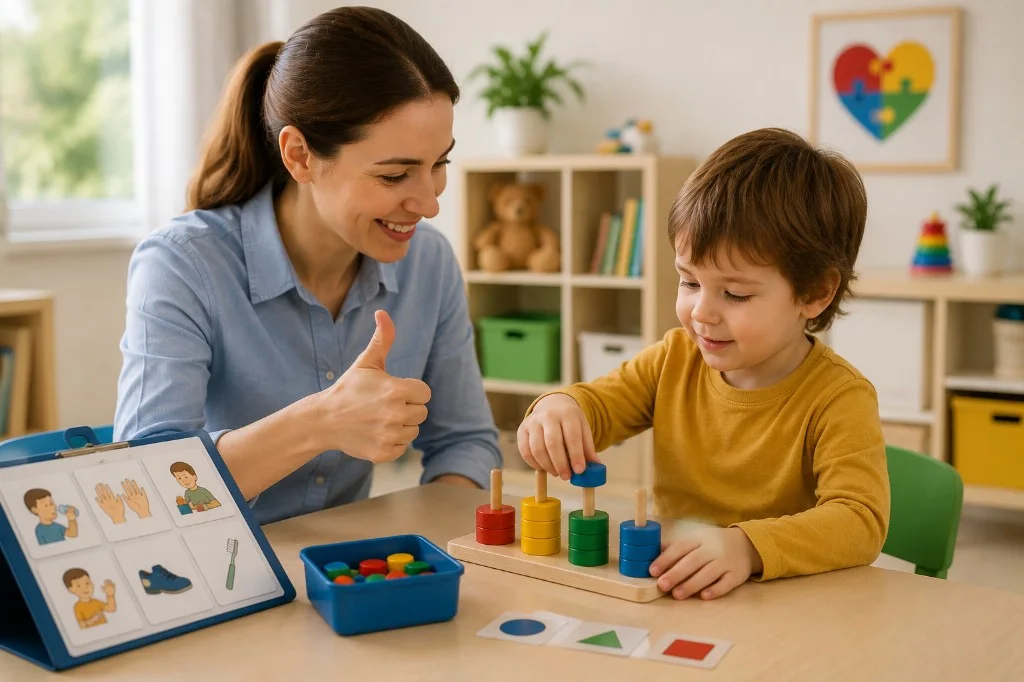
A Cochrane review suggests intensive early behavioral programs may help some autistic children improve language and everyday skills, though results vary from child to child.
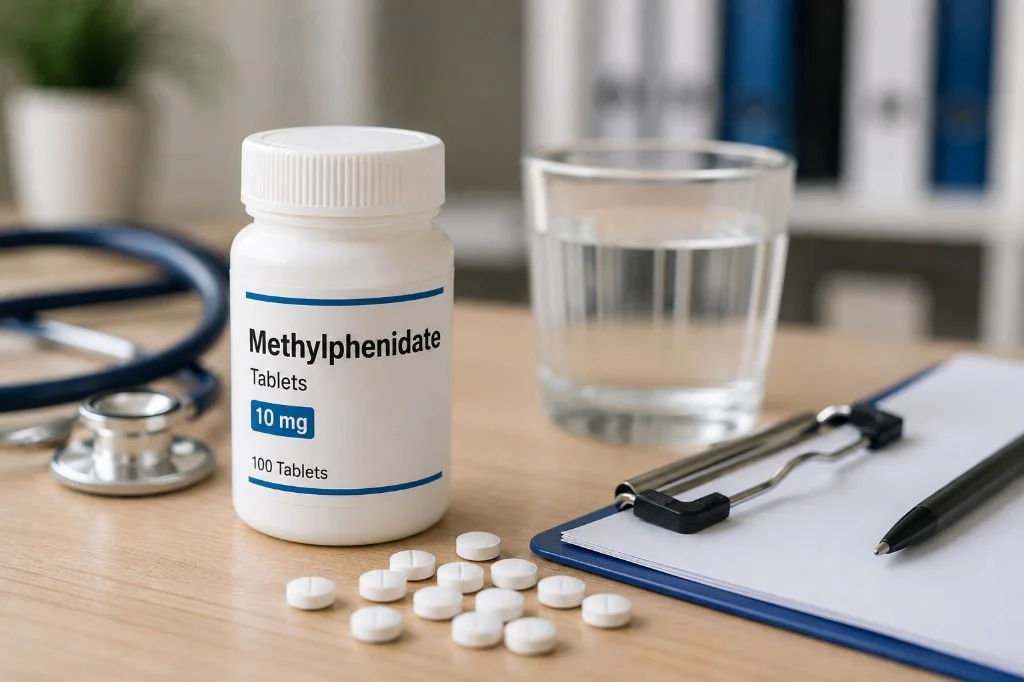
A Cochrane review suggests methylphenidate may help some autistic children with hyperactivity and attention, but appetite loss was common and evidence is still limited.

A Cochrane review found no randomised trials of family therapy for autism — only a call for better studies on communication and family stress.

A Cochrane review found no evidence from one small trial that hyperbaric oxygen therapy improves core autism features, and minor ear side effects were reported.

A 2016 Cochrane review found too little evidence to say whether omega-3 and omega-6 supplements improve reading, writing, or math in children with specific learning disorders.

Two small trials in boys found low-quality evidence that L-acetylcarnitine does not clearly improve IQ or hyperactivity versus placebo.

A Cochrane review found no evidence that chelation therapy improves autism symptoms in children, while prior reports describe serious adverse events.
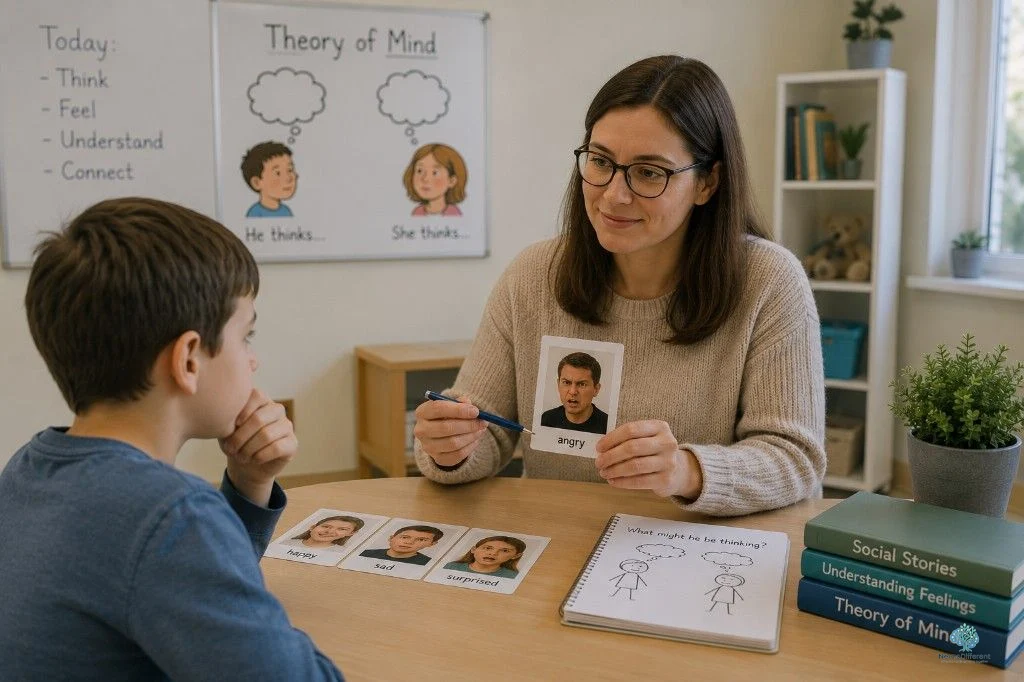
A Cochrane review of 22 studies found that some Theory of Mind programs improved specific test skills, but there is still little evidence that those gains meaningfully change everyday social life.
A Cochrane review of nine trials found no clear benefit of SSRIs for core autism symptoms in children, with limited and mixed evidence in adults.

A Cochrane review suggests that programs teaching parents how to interact and communicate with autistic children may improve everyday parent-child interaction, although evidence for broader developmental changes is still limited.
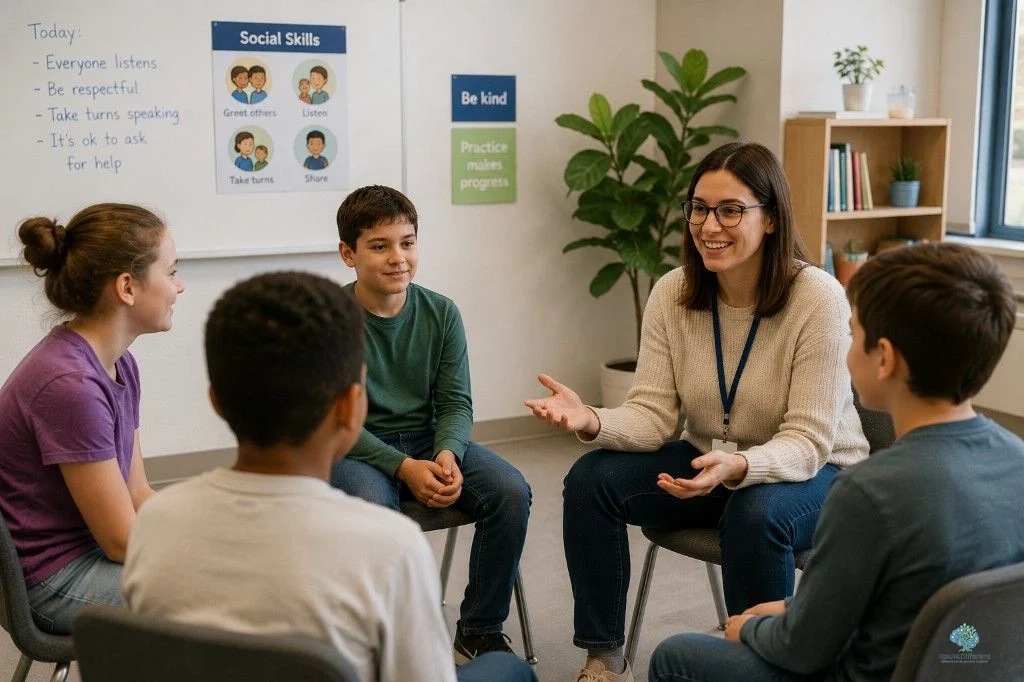
A Cochrane review of five studies suggests social-skills groups may modestly improve confidence and friendships for some autistic young people.
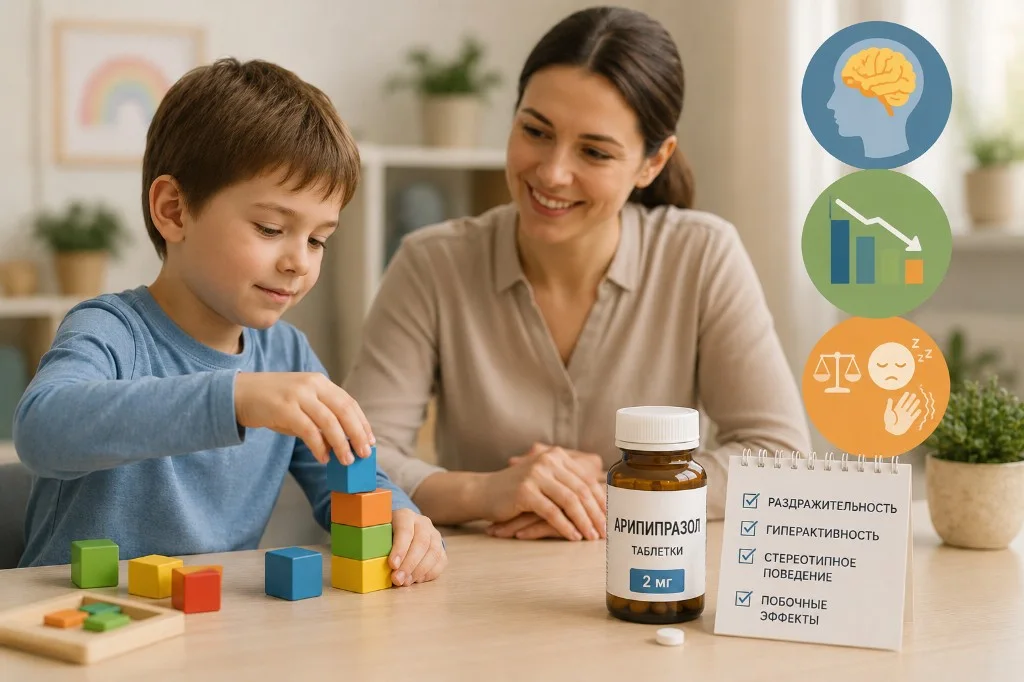
A Cochrane review suggests aripiprazole may help reduce irritability and hyperactivity in some autistic children, but the medication can also cause important side effects such as weight gain and sleepiness.
A Cochrane review covering more than 900 children found no evidence that intravenous secretin improves core autism features and concluded it should not be recommended.

A 2012 Cochrane review found limited and conflicting evidence on tricyclic antidepressants for autistic children, with notable side effects such as drowsiness.

Across ~14.7 million children, MMR was highly effective against measles and mumps; evidence did not support a link to autism.

A Cochrane review of seven trials with 182 participants found no reliable evidence that auditory integration or similar sound therapies improve autism symptoms.
A Cochrane review of two small trials found no clear evidence that omega-3 fatty acid supplements improve core autism symptoms.
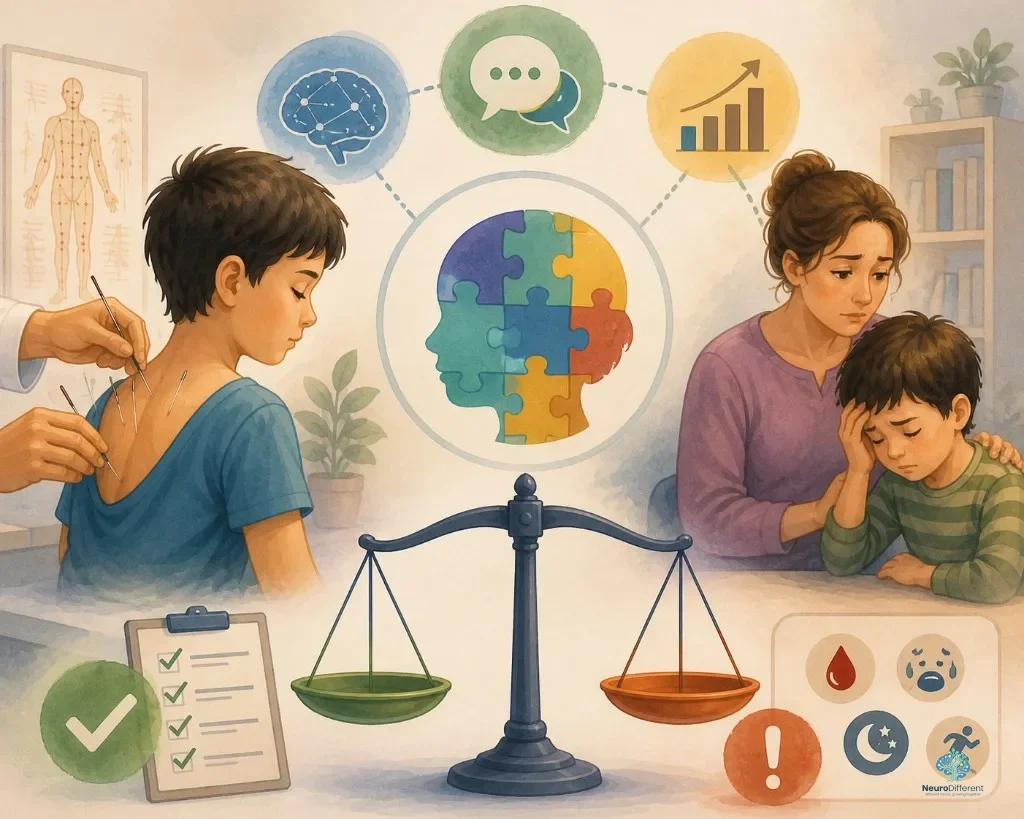
A Cochrane review found no strong evidence that acupuncture improves core autism features, and reported possible side effects in some children.