
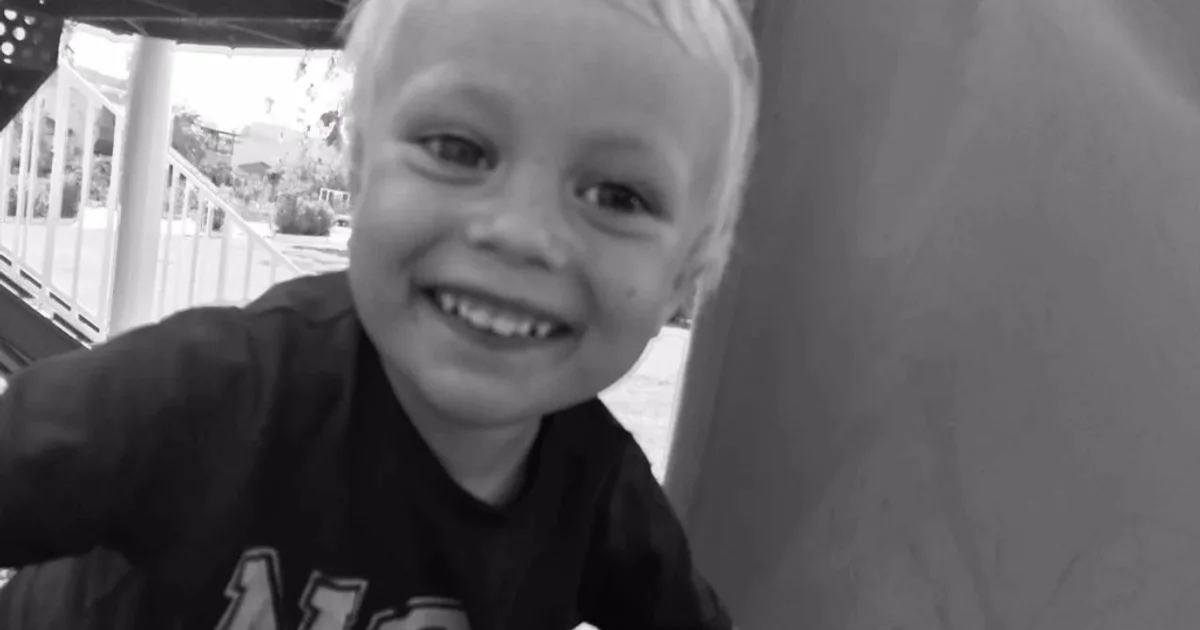
Our son was born in the Kingdom of Cambodia. The pregnancy went smoothly — there were fresh fruit and the sea every day. Even as a little baby, when he cried he did it very loudly, and the only thing that soothed him was bouncing on an exercise ball. Until he was two we did not suspect anything serious, though we had noticed differences from birth. In those years autism was not as widely discussed in our country. We went to doctors, and they told us: stop dragging the child from hospital to hospital; boys often start talking after three. Still, a couple of doctors in private clinics did give a diagnosis of ASD.
When our son was two, we decided to spend the whole summer on the Mediterranean. We could see he was a little unusual, communication was hard for him, and he had no speech. We hoped the trip, fresh air, the sea, and new experiences would give his development a push. Three months later, on the way home, we had already made a firm decision to see specialists and go through medical assessment.
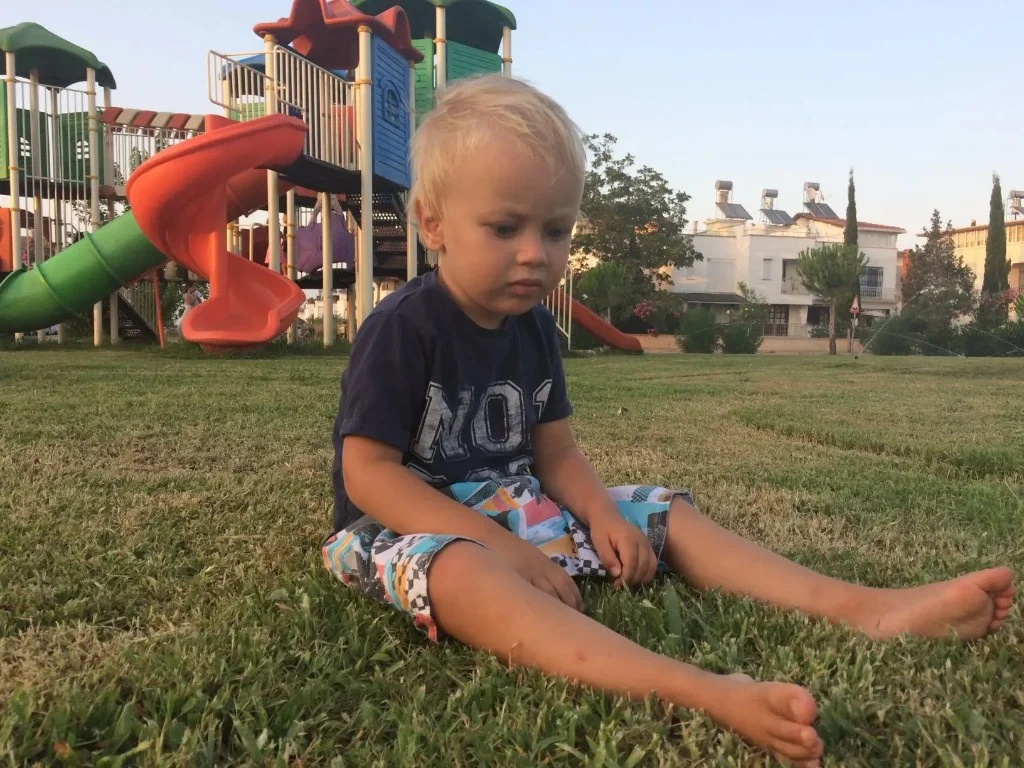
We heard every explanation: it is because you breastfed for so long; he has developmental delay (psychiatrist); he has sensorimotor alalia; he has a hydrocephalic syndrome — lymph drainage will improve and he will catch up. We were sent to different therapies, intensives, and proprietary methods, including device-based ones. We tried bioacoustic correction (BAC), oxygen therapy, microcurrent reflex therapy, and transcranial micropolarization — all in courses. We also had sessions with special educators, psychologists, neuropsychologists, and speech therapists — they were part of the routine every day. To obtain disability status for our child we even had to stay in a pediatric psychiatric unit when he was four and a half; the psychiatrist, clinical psychologist, and others there insisted it was “mild ASD” and that he would catch up.
Yet progress came in tiny steps, despite sessions and rehab centers. We might have coped — until, at six, a “psychotic” episode happened. Since then he has been on medication: without it he did not sleep or eat, screamed, and was afraid of everything around him. It took many years to find medications that could ease that severe condition with its endogenous nature. We traveled to the best specialists we could find. We learned that, on top of everything else, he has severe migraines, which were also hard to treat. All of it was exacerbated by changes in weather, the atmosphere, and many other factors. Then puberty began — the cherry on top — and affective outbursts were joined by heavy, unmanageable behavior.
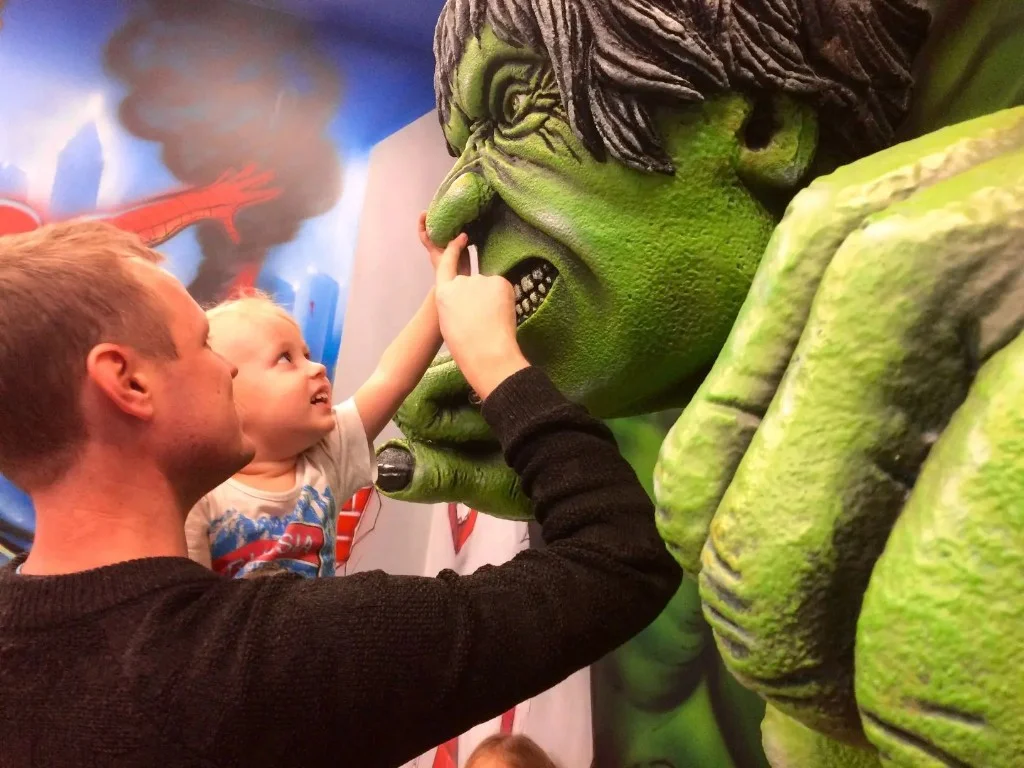
For several years we attended ABA therapy, but we understood we needed to devote far more time to it — to weave it into daily life and build skills bit by bit. At home we worked on essentials like toilet training, daily living skills, and pointing. We often ran into the need to keep notes every 30–60 minutes, jot things down in a notebook, review them later, and judge what was working.
That is how the idea arose for helper apps to sustain the routines and sessions we needed and to shape the responses we wanted from our child. Such an app made working with him far more productive and convenient, and kept us focused on what mattered.